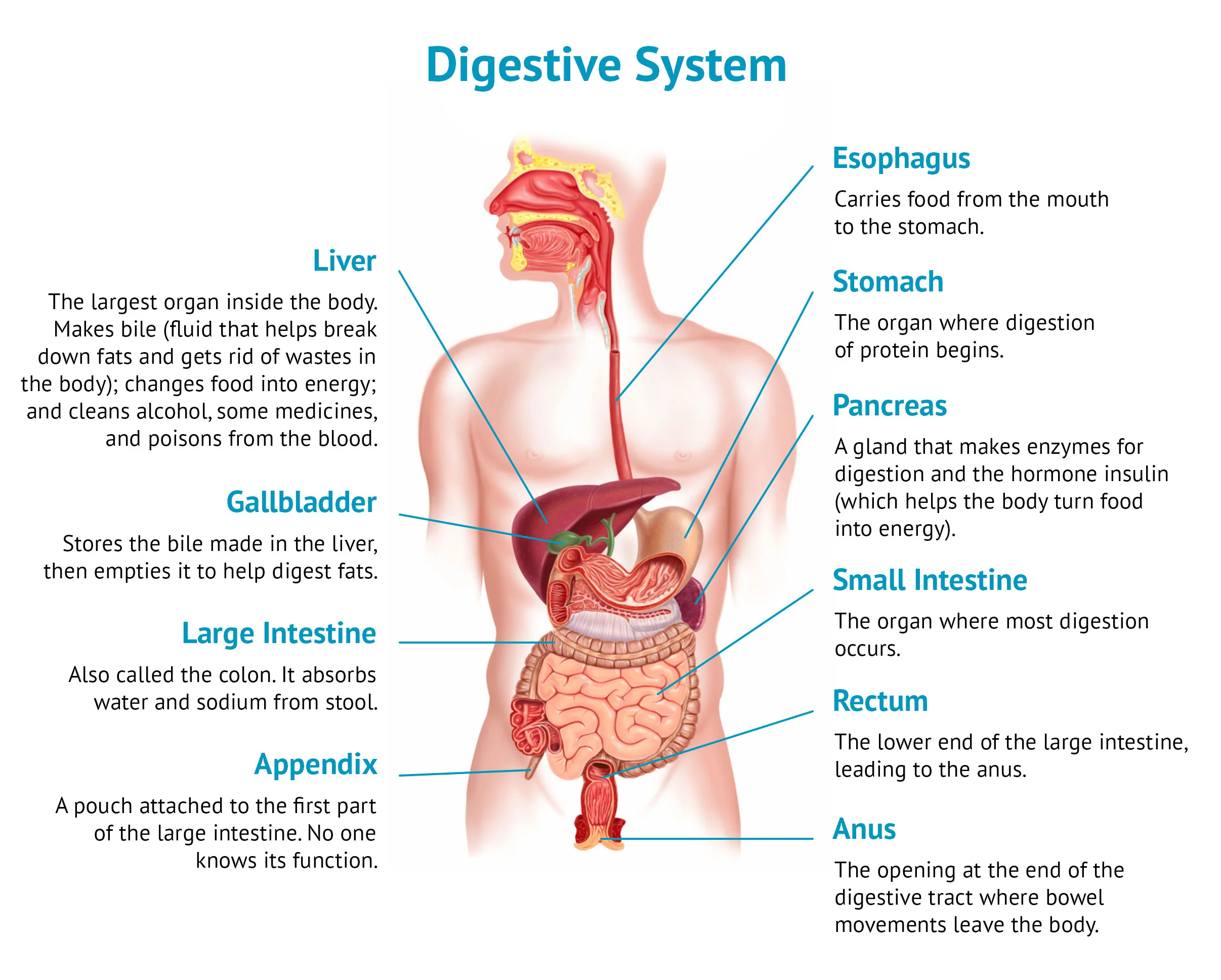
The human digestive system is an organ system used for digestion.
It consists of the gastrointestinal tract and the accessory organs of digestion including the tongue, salivary glands, pancreas, liver and gallbladder
intro
-
Mechanical chewing that breaks the food up into pieces.
-
Saliva contains enzymes called amylase that chemically breaks down sugars
The oesophagus is a tube connected to the stomach, pushing food down into the stomach. -
The stomach is filled with a strong acid that breaks the food down chemically, and the stomach muscles also churn the food.
-
The pancreas releases enzymes and indirectly break down macromolecules in the small intestine.
-
The gallbladder releases bile into the small intestine and breaks down fats
-
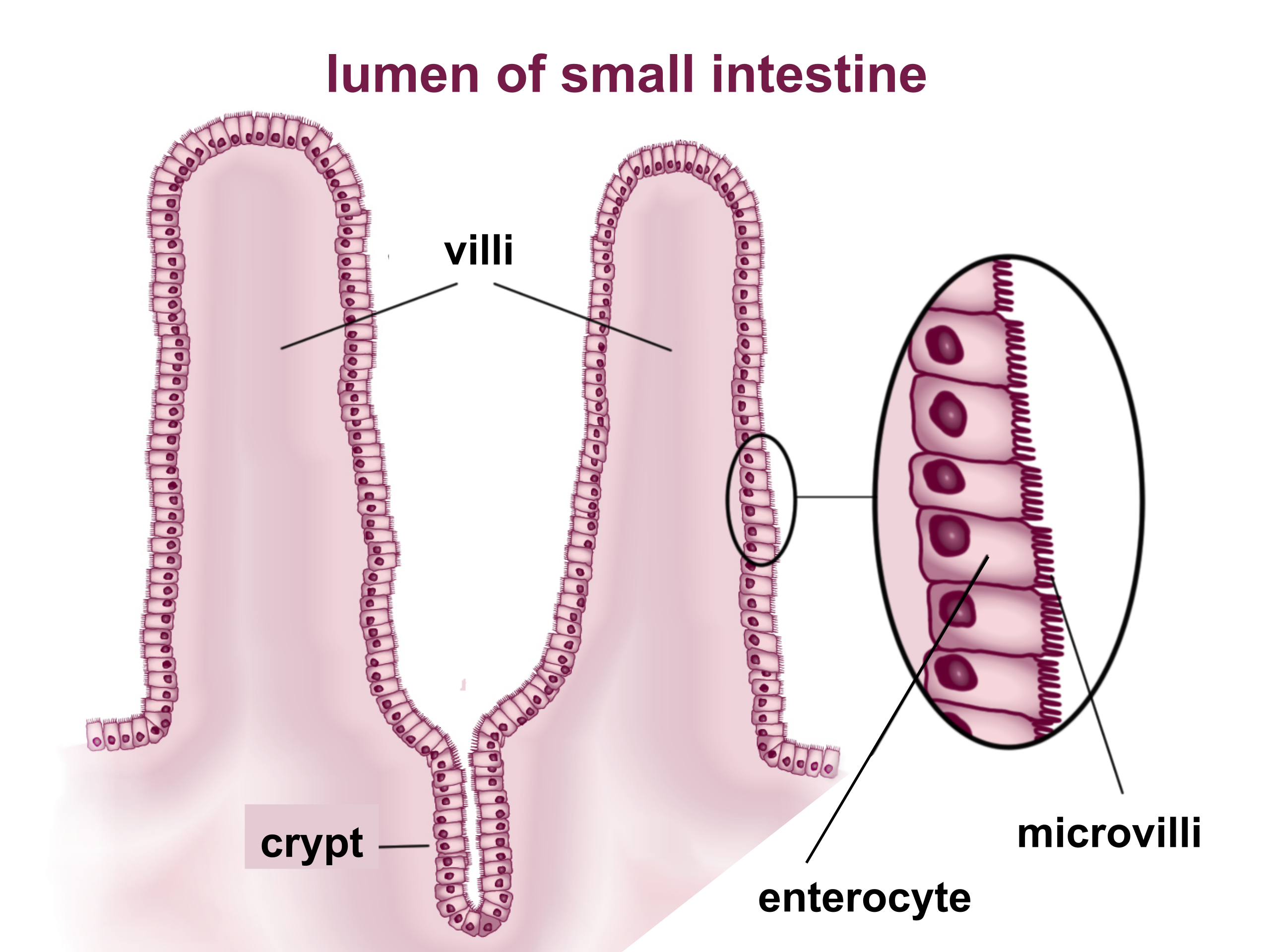
The small intestine absorbs most of the food, with cells that have lots of surface area for absorption of the nutrients.
-
The large intestine absorbs water left over from the small intestine.
accessory organs
Accessory organs in the digestive system are organs which food doesn’t pass through but it assists with digestion.
- Salivary glands
specialised cells
Some cell types specialise in a function in the digestive system.
- Goblet cells
- Chief cells
- Parietal cells
- Intestinal cells
digestive enzymes
Digestive enzymes need a specific optimal pH at which they operate at. Some digestive enzymes are:
- Amylase - breaks down carbohydrates, produced by salivary glands and the pancreas
- Lypase - breaks down lipids, produced by pancreas
- Proteases - breaks down proteins
Umm fun fact, food takes 5 to 8 seconds to travel down the oesophagus.
the linear process
Mouth.
Mechanical digestion is done by the mouth, where chewing (mastication) physically breaks food.
Chemical digestion involves the salivary glands. Enzymes like anylase are used to break carbohydrates (like starch to glucose).
Oesophagus.
It is a long muscular tube, and the food is sent using wave-like contractions in the muscles. Such involuntary muscle movement that push the food through the digestive system is called peristalsis.
Stomach.
The stomach does mechanical digestion through contractions. Parietal cells in the stomach secrete HCl, which has a very low pH of 2. So that the enzymes can function optimally, and to kill bacteria in the food. Chief cells pepsin, another enzyme.
The liver makes bile, and bile can be stores in the gall bladder.
Small intestine.
The small intestine
Figure. Villi.
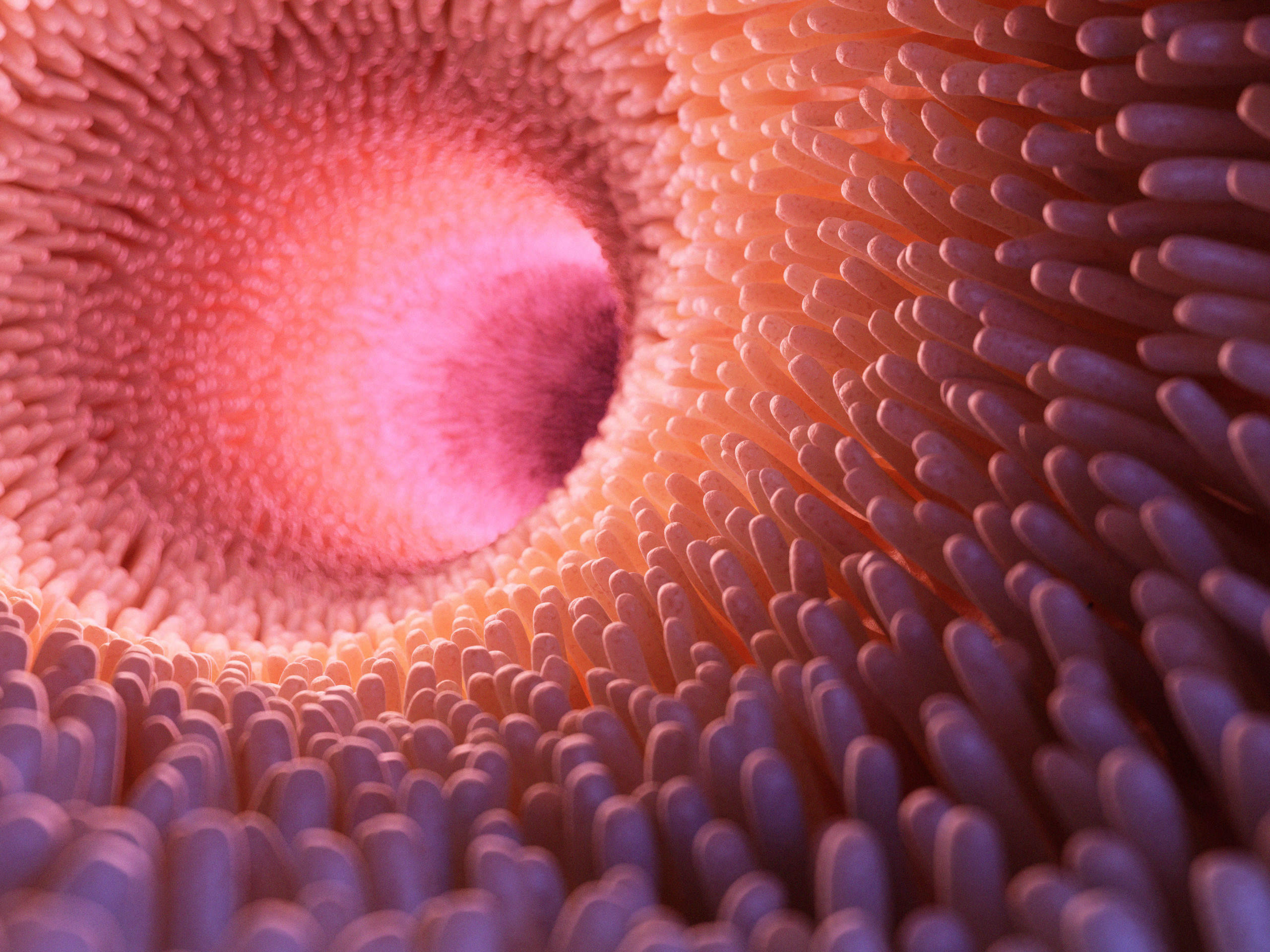
Figure: microvilli are the little cell protrusions